

Trust EA
Trust EA is a fully automated trading robot designed for traders who want powerful strategies without the burden of complex settings. Built on a blend of proven methodologies, it delivers high return rates with low risk exposure, offering consistent performance while remaining easy to use, even for those with no prior trading experience.
Category : Trading Robots (EA)
Version : 6.8
Updated : 2026-02-27
Key Features
Description
Trust EA combines multiple trading approaches into one cohesive system. It leverages Scalping techniques, Elliot Wave analysis, and advanced filters such as RSI, Stochastic, and four additional proprietary strategies. The robot’s smart decision engine evaluates these signals in real time, ensuring that trades are only executed when conditions align across multiple layers of confirmation. This multi‑strategy framework helps reduce false entries and increases the probability of capturing profitable moves.
Unlike many expert advisors that overwhelm users with dozens of parameters, Trust EA comes with pre‑tested and optimized settings embedded directly into the program. Inputs are intentionally limited and simplified, allowing traders to get started quickly without needing professional trading knowledge. The EA is designed to work across all symbols and timeframes, adapting its logic to different market environments while maintaining low margin requirements.
Trust EA is not a high‑frequency robot. Instead, it waits patiently for confident entry points, especially on higher timeframes, where precision matters most. This disciplined approach reduces unnecessary exposure and helps preserve account stability. By combining intelligent strategy layers with conservative trade frequency, Trust EA offers traders a balance of risk control, reliability, and long‑term profitability in automated trading.
Technical Specifications:
| Strategy | Intelligent decision‑making with a seamless blend of multiple entry strategies |
| Trading Symbols | All |
| Supported Timeframes | All |
| VPS | Not necessary |
| Brokers and Account Types | All. (MT5 Netting accounts are not supported) |
| Trading Frequency | Low |
Usage Manual:
Using the EA is straightforward and user‑friendly. The primary parameters to adjust are related to money management, with no need for complex entry signal configurations.
General Settings:
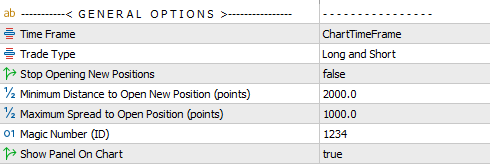
- Timeframe Selection: Choose the trading timeframe. This option allows you to run the EA on a timeframe different from the chart’s default.
- Trade Type Filter: Specify the trading direction by enabling only Long or Short positions.
- Stop Opening New Positions: Prevents the EA from opening additional trades. Existing positions will continue to be managed until closed, after which the EA halts completely.
- Minimum Distance Between Positions: Defines the minimum price gap (in points) required between current open positions and any new trade. This helps avoid clustering multiple trades too close together on the same symbol and in the same direction.
- Maximum Spread Filter: Blocks new trades during periods of high spread. Set a very large value if you wish to disable this filter.
- Magic Number: Assigns a unique identifier to the EA’s trades. This is essential when running multiple EAs on the same symbol to distinguish their positions.
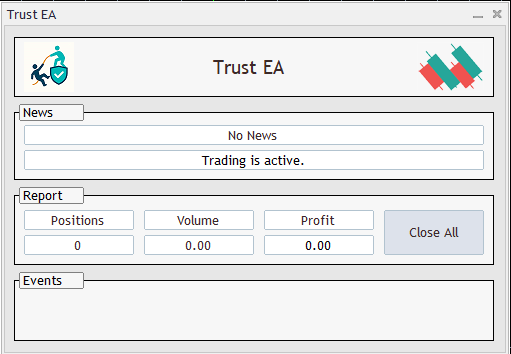
- On‑Chart Panel Displays a control panel directly on the chart, showing EA status, trade events, open position reports, and includes a one‑click button to close all trades. See the below image.
Closing Positions Settings:
In this section, you can define how trades should be closed. Available options include setting take profit and stop loss levels to manage risk and secure gains. Additionally, an averaging system is provided, allowing the EA to recover losing trades by strategically opening new positions and balancing them until the overall outcome improves.
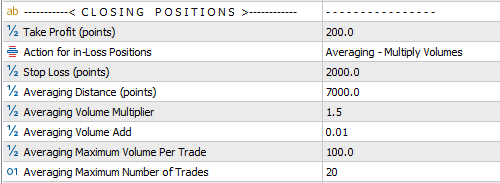
- Take Profit (TP): Defines the profit target for trades, measured in points.
- Actions for Losing Positions: Choose how the EA should handle trades that move into loss:
- Wait for TP: No stop loss is applied; the EA continues to hold the position until the take profit level is reached.
- Stop Loss: The trade is closed once the predefined stop loss value is hit.
- Averaging – Multiply: Applies an averaging strategy where each new averaging trade increases lot size by multiplying the previous lot size with a set factor.
- Averaging – Add: Applies an averaging strategy where each new averaging trade increases lot size by adding a fixed value to the previous lot size.
- Stop Loss (SL): Defines the stop loss for trades, measured in points.
- Averaging Distance: Defines the point‑based price gap between consecutive averaging trades.
- Averaging Volume Multiplier: When using the Multiply mode, this factor determines how much the lot size is multiplied for each averaging trade.
- Averaging Volume Add: When using the Add mode, this value specifies how much is added to the lot size for each averaging trade.
- Averaging Maximum Volume: Sets the maximum lot size allowed per trade when averaging is applied.
- Averaging Maximum Number of Trades: Defines the maximum number of averaging trades permitted, limiting exposure and risk.
Common Settings:
Other options including Lot Size, Trailing Stop, Break‑Even, Date & Time Filters, News Filter, and Notification Settings are shared across all of our trading robots. A detailed explanation of these features is available in the page Common Settings for Trading Robots.
Optimization Guide:
The EA’s core engine does not require optimization. The only adjustable parameters are related to money management, which you can fine‑tune based on your own strategy, risk plan, and trading experience.
For easier and faster optimization, we recommend the following approach:
- Optimization Period: Run optimization on the last 6 months of data before using the EA.
- Update Frequency: Refresh optimization every 2 months to keep settings aligned with current market conditions.
- Parameters to Optimize: (for Currency Pairs)
- Time Frame Bounds: M5 to D1
- Take Profit Bounds: 100 to 1000 (step 100) — or 10 to 100 (step 10) for 4‑digit accounts
- Averaging Distance Bounds: 500 to 8000 (step 500) — or 50 to 800 (step 50) for 4‑digit accounts
- Averaging Volume Multiplier Bounds: 1 to 5 (step 0.5)
- Other Parameters: Default values are sufficient
- Testing Mode: Use Every Tick mode for faster and sufficiently accurate results
- It is recommended to first run optimization using a constant volume setting. This approach helps identify configurations that deliver the highest profit with minimal drawdowns.
- For best results, it is also advised to optimize the Custom Parameter to fine‑tune performance.
Recommendations:
When running multiple instances of the EA on different charts, it is recommended to reduce the lot size for each EA. This helps prevent excessive exposure, as drawdowns from multiple trades can accumulate and potentially lead to a high‑risk situation.
Need Help?
Here are some helpful resources. If you have questions or need assistance, feel free to contact us. You can submit a support ticket or leave a comment. we’ll respond as quickly as possible.
Screenshots
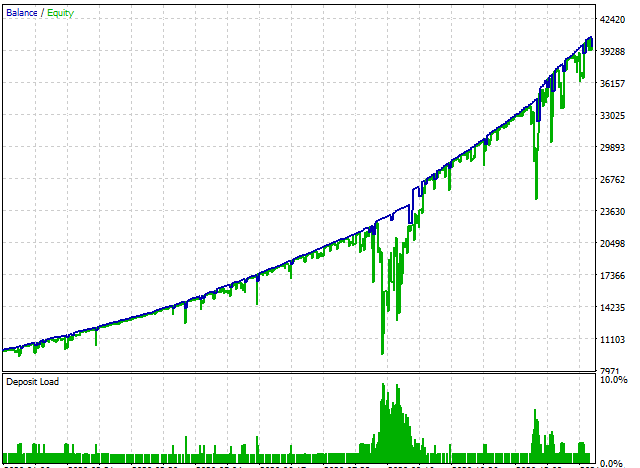
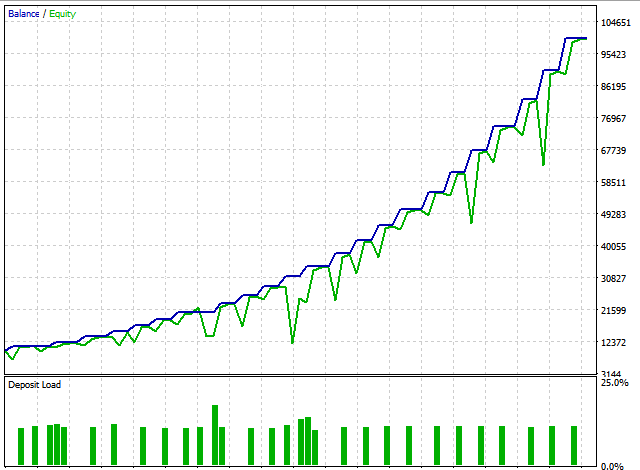
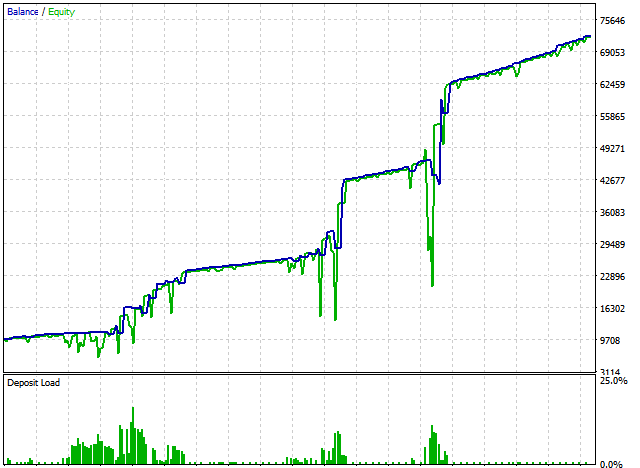
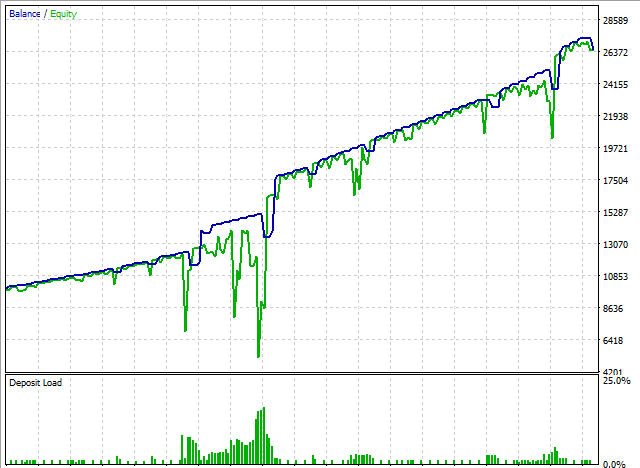
Pricing
New Offer Every 6 Hours up to 50%. Follow.
Testing is free. How to do?

3 Months
3 Months of unlimited use
2 Accounts Activation
Full Support
Free Updates
$ 50.00

6 Months
6 Months of unlimited use
3 Accounts Activation
Full Support
Free Updates
$ 100.00

1 Year
1 Year of unlimited use
4 Accounts Activation
Full Support
Free Updates
$ 150.00

Lifetime
Unlimited use, forever
5 Accounts Activation
VIP Support
Free Updates
$ 200.00
 to be a light for all traders.
Can Trust EA be used aggressively?
Yes, but higher lot sizes increase risk. Aggressive settings may yield faster profits but also larger drawdowns. Conservative traders are advised to use smaller lot sizes and strict filters. The EA is flexible enough to adapt to both styles, but discipline is key to success.
What is the purpose of the maximum spread filter?
The filter prevents trades during periods of high spreads, which often occur during news events or low liquidity. This protects traders from unfavorable entries. Setting a large value disables the filter if desired. It’s a simple but effective safeguard against poor trading conditions.
It is perfect.
I optimized every 2 months and saw steady improvements.
What makes Trust EA different from other trading robots?
Trust EA combines multiple strategies — scalping, Elliot Waves, RSI, Stochastic, and proprietary filters — into one system. Unlike high‑frequency robots, it focuses on disciplined entries and risk management. Features like averaging recovery, trailing stop, break‑even, and news filters make it versatile and safe. It’s designed to be simple for beginners yet powerful enough for experienced traders.
I love the simplicity of Trust EA. No need to tweak dozens of parameters.
The EA isn’t high‑frequency, so patience is required.
I recommend it to anyone serious about Forex.
Is Trust EA compatible with all brokers?
Yes, as long as the broker supports MetaTrader platforms.
Simple setup, smart results. I love it.
How does Trust EA integrate multiple strategies?
The EA combines scalping, Elliot Waves, RSI, Stochastic, and proprietary filters. This multi‑layered approach ensures stronger entries and safer exits. By blending strategies, it adapts to different market conditions. It’s smarter than relying on a single method.
Trust EA changed how I approach Forex. I no longer worry about missing signals or overtrading. The robot combines strategies intelligently and manages risk with precision.
Trust EA feels like having a pro trader on my side.
What is the averaging system?
It opens new trades to balance losses, using either multiplication or addition of lot sizes.
It won’t make you rich overnight. But it’s steady.
Yes. I doubled my confidence in automated trading by using this EA.
“Big Like!”
It’s not aggressive, but it’s reliable, which makes it perfect for long term use. I am happy.
I’ve seen steady growth with low drawdowns. That’s all I ask from an EA.
The comments section is now open. Feel free to share your feedback, reviews, questions, and personal experience with the product. You can also interact with other users and join the discussion. Our support team is active there as well and will respond whenever assistance is needed.